Implementing Instagram Analytics into Your Strategy
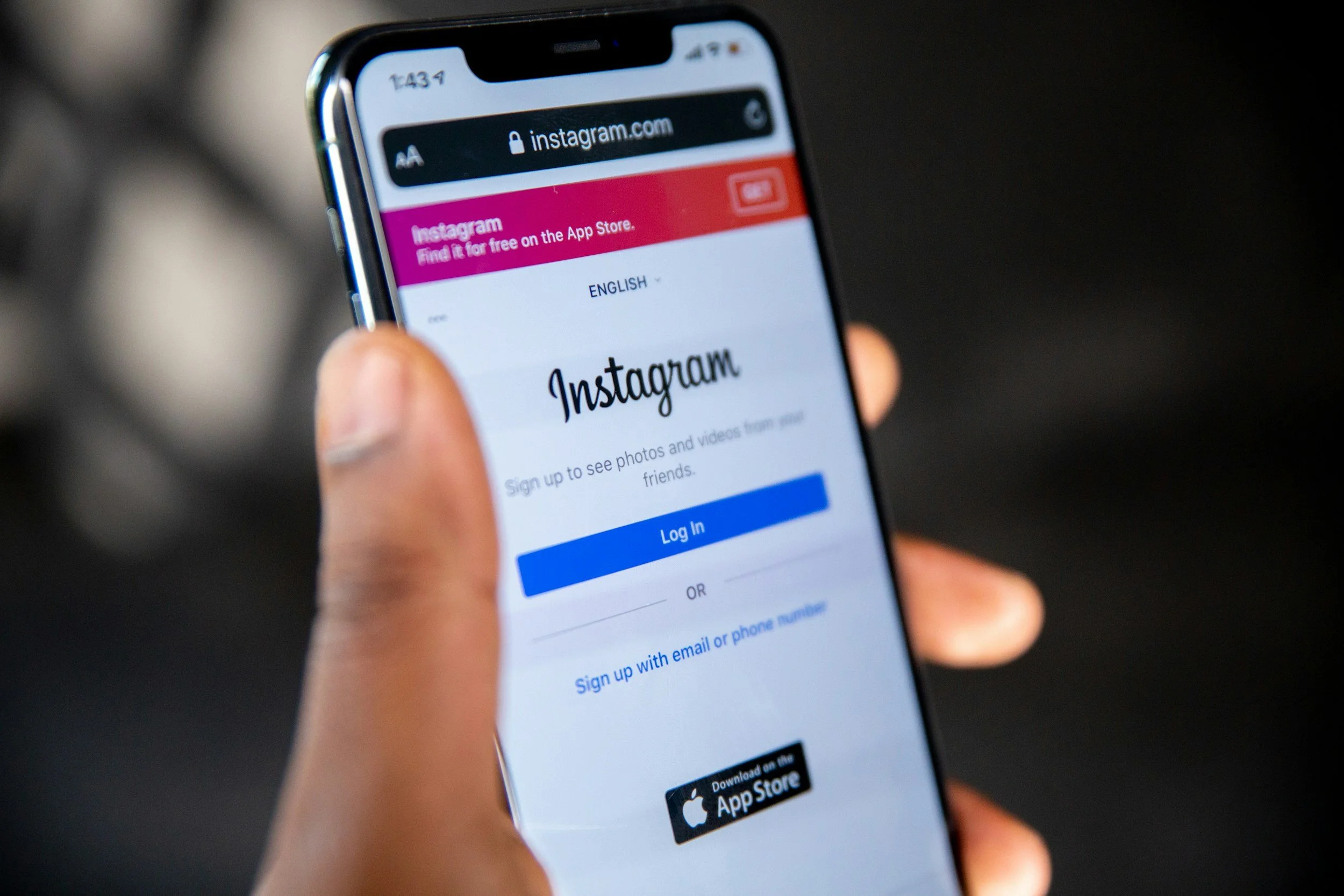
As most digital marketers and social media managers know, Instagram is a powerful tool. It is used to connect with your audience, reach new viewers, and deliver content that makes a difference for your brand. The success of the commerce on social media has grown significantly in recent years. With the addition of shoppable posts, Instagram has grown into a lead revenue generator for many businesses. This is because is reaches a multitude of people and delivers them content and shoppable links that they want to see, making them more likely to purchase. Now, the way to figure out if all of your hard work on Instagram is paying off, you have to look at your analytics. The insights and stats that Instagram provides can help you adjust your strategy or invest more funding wherever it makes sense. The team here at Lyv Marketing is familiar with Instagram analytics as we use them in our strategy every day. Let’s jump into this week’s blog to learn more.
Setting up Instagram Analytics
The first step of your analytics journey is to make sure your account is a business or creator account. This is the only way you can view analytics. If you created your business’s account as a personal account, you have to switch it to a professional one under settings and then “account.” After this you can click the “view insights” button that appears on your page and you can see your analytics. There are a lot of things to see here, so look around and see what you can find. From there, you can decide which ones you want to monitor.
Which Metrics Can you Track and What Should you Track?
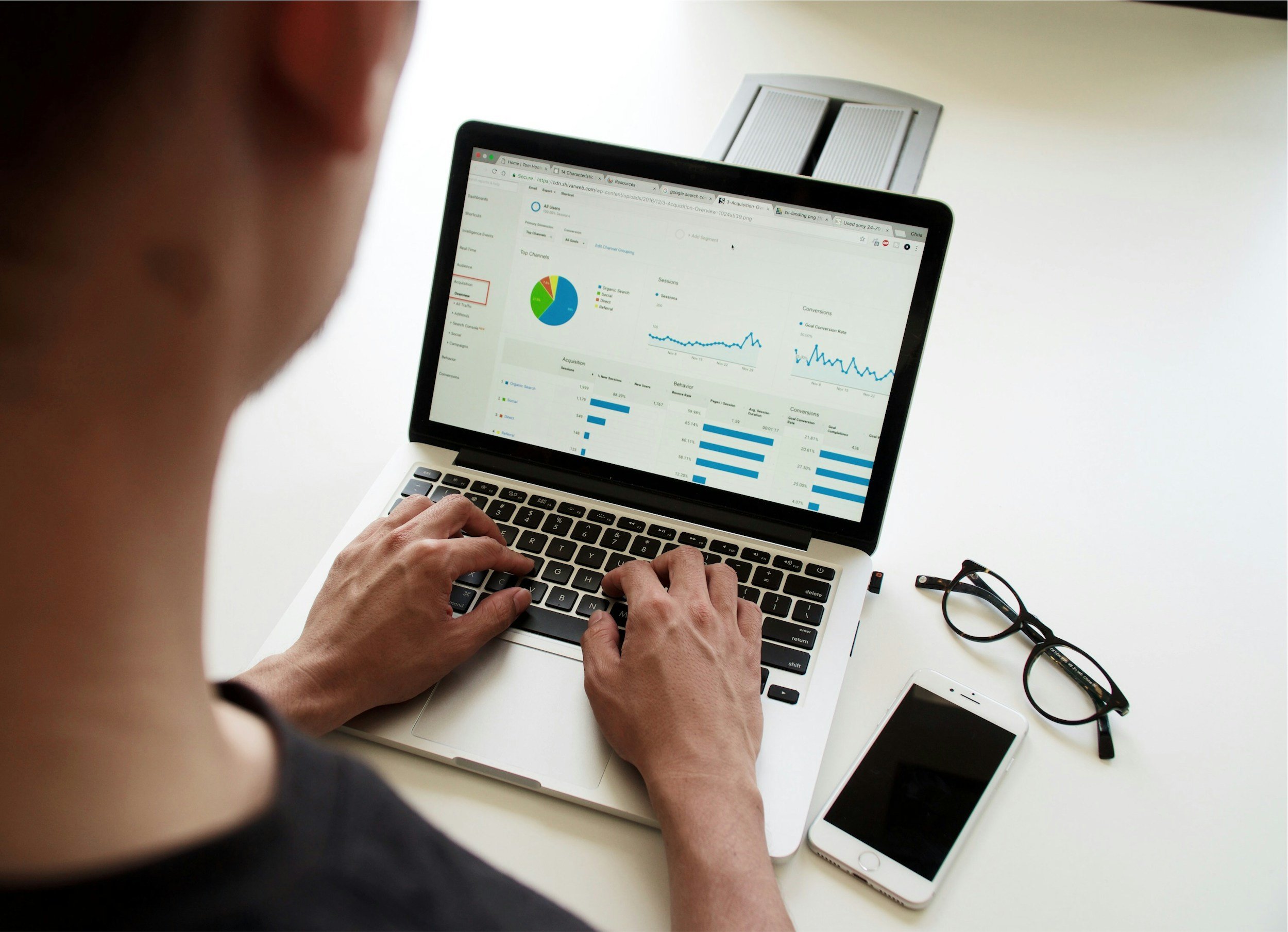
Now, we’re going to jumo into understanding these analytics and what they can do to help you. Some analytics might matter more to your business than other, and we are here to help you figure that out. When viewing analytics, you have to choose a date range. So, this range will change depending on what you want to see. You can look at things like views, source of views, accounts reached, a breakdown of your audience, profile activity, and more. It’s important to be able to get insights on your performance and growth on the app.

Effective Ways to Track Insights
The first insight to track is your view count. This is Instagram’s primary metric across all of the available posting formats. This is because of the emphasis of photo and video content on Instagram. Views play a big role in how the algorithm feeds your content to users. The next metric we’re going to touch on is reach. Reach is able to tell you exactly how many people are seeing your content. It differs from impressions because it tells you to real number of views your content is getting while impressions only refers to the fact that your content was displayed, not that it garnered any engagement. The next important one to take note of is your follower growth. If you see big spikes in follower growth, revisit that day and see what you posted so you know what your audience likes. You can also track the demographics of your audience. This can help you to see who you are delivering content to and how to tailor it accordingly.

Reel, Posts, & Stories
When you are scrolling through your specific Instagram posts, you can see a lot of insights on the specific posts. While you can see the number of likes, comments, and saves on a certain post, you can also see the number of interactions and the impressions. You can also see how many people viewed your post on the discovery page vs who saw it on their feed. When it comes to reels, you can see the amount of views, the average amount of time watches, the number of interactions, and any following profile activity. On a post, you can also see likes, comments, shares, and saves. But, you can also see the amount of views, interaction, following profile activity, and a breakdown of where the views came from and whether they were followers or not. With stories, you can see who viewed it and the number of views, interactions, and following profile activity. You can also get a percentae of how many viewers were followers and how many were not.

Takeaway: Analytics Help Your Marketing
If you are new to digital marketing or if you are just starting your business, learning how to use analytics effectively is essential to your success. It helps you learn more about your audience and what they want to see. It also helps you to know where followers and non-followers are seeing your content. At Lyv Marketing, we use analytics every day to help us learn more about what content works and what doesn’t We also use it to teach us what content leads to sales or direct contacts and what doesn’t. If you want to hire a team that knows about analytics and is willing to teach you too, contact us today by filling out the contact form on our website.