The Ultimate Guide to Influencer Marketing

Marketers know better than most the value of a good influencer partner. It helps you to gain a larger reach and it can drive more trust among your audience. Because of the digital landscape right now, adding influencers to your social media strategy means your brand will benefit from their personal creativity and their audience. However, with all of the benefits influencer marketing can bring, it can be tough to navigate. You are dealing with another person and their followers and you have to make sure they are relevant to your brand. It should be a mutually beneficial partnership between both of you. The team at Lyv Marketing is here to help you navigate this process and teach you how to find the influencers that are the best match for your brand. Keep reading for more!
What is Influencer Marketing?
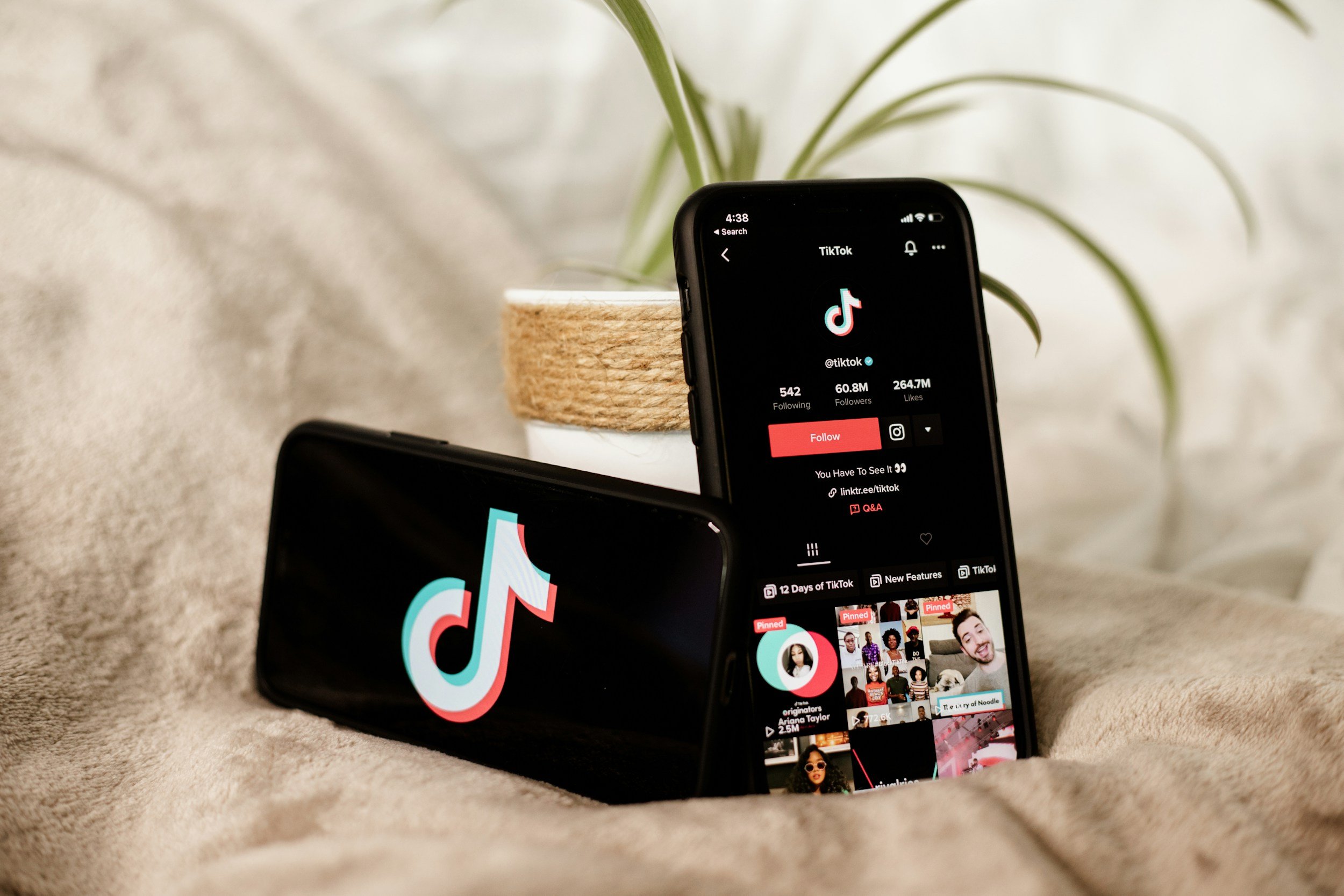
In the simplest terms, influencer marketing focuses on product placement or endorsement on social media networks through the content creation of an influencer. If you’re unfamiliar with what an influencer is, they are a person with a social following that focuses on a particular niche or type/style of content. When you combine these people with your paid social strategy, something really beautiful can come out of the partnership. Your brand gets more exposure to more audiences and the influencer gets compensated from you either with a product or an agreed upon monetary amount. Some influencer names you might recognize include Charli Damelia, Addison Rae, Alix Earl, and more. However, these are just the most common names, there are thousands, if not millions, of people that may operate perfectly within the niche your brand exists.

Different Roles and the Trajectory of Influencer Marketing
Marketers should be thinking about the different roles in influencer marketing. They include:
Influencers: As we mentioned above, they are valuable for access to an established audience and have dedicated viewers that will take their recommendations.
Creators: They are valuable for their ability to make and produce content for a smaller, but niche audience. For certain brands, this can be a great option.
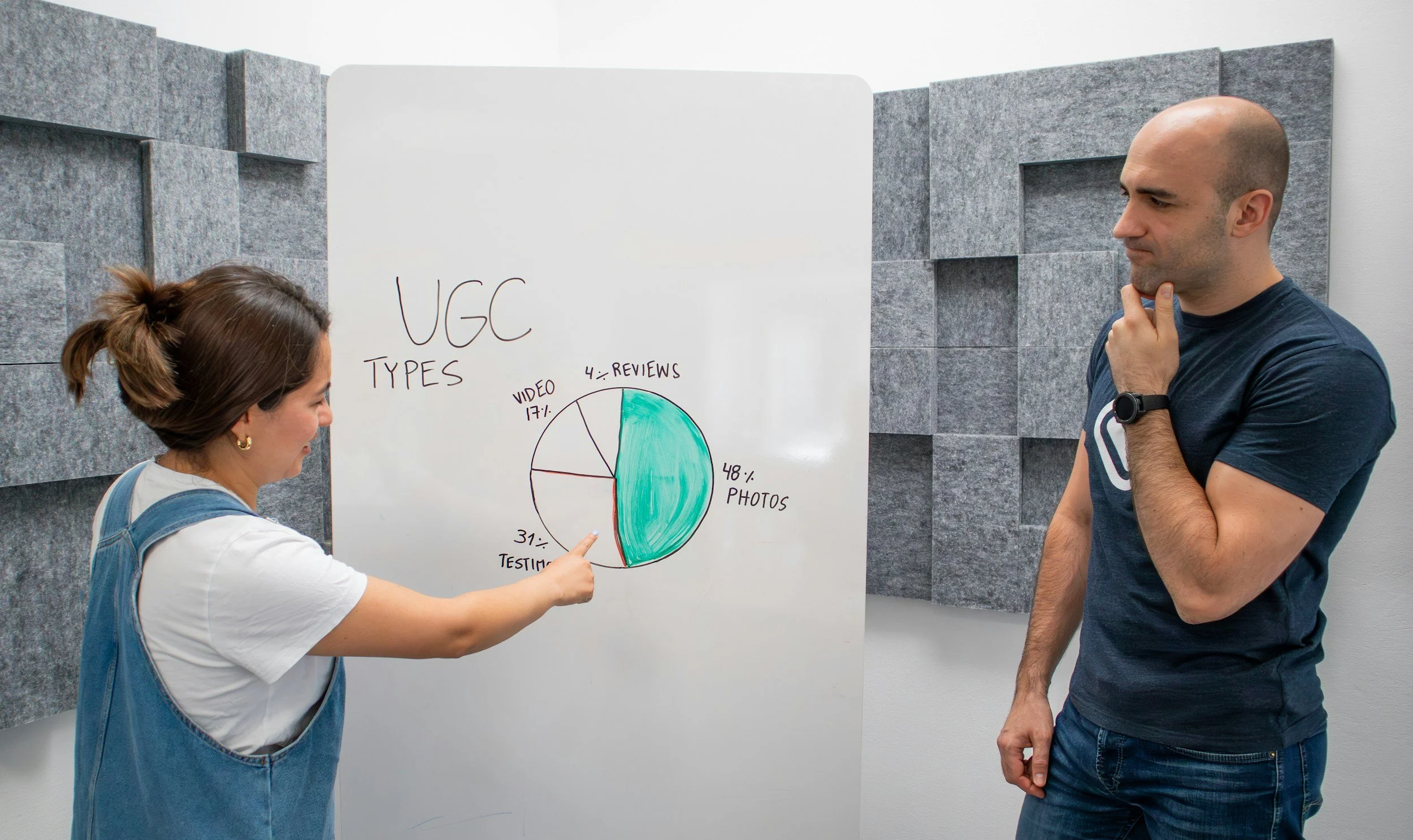
UGC WORD: Smallest audience of the three, but can create content that brands can then reuse organically on their page as many times as they want in the future.
It is important to remember that influencer marketing may take a lot of time and trial and error to get right. But, when you do get it right, it can be a continuous partnership that lasts throughout many phases of your marketing journey. Every year, the number of social media users continues to increase. In the next 4 years, there is projected to be over 6 billion users across all platforms. This means that the trajectory for influencer collaborations continues to rise.

Types of Influencers
There are many different types and scales of influencers that we can sort these people into. Each of them offers a unique type of exposure opportunity. Working with any of these types can make a huge difference in your marketing campaigns by increasing your reach and impressions. That being said, you have to make sure you choose the right type for you. These types include:
Mega Influencer: Celebrities and global CEOs. Maximum exposure, smaller engagement.
Macro Influencer: Internet celebrities with large followings.
Micro Influencer: Smaller-scale creators that are considered widely knowledgeable on a certain specific topic.
Nano Influencer: People with a small offline or online influence within a small community.
Influencers vs UGC (User-Generated Content) Creators
There is a slight overlap between these two groups, but they are also distinct in certain important ways. It is so common for customers to positively engage with a brand after a trusted creator’s recommendation that we have gone so far as to separate them into groups to make it easier on the marketing side of things. As marketers, we should be wondering what role these creators play in our marketing strategy, so let’s get into it. Influencers are more known to develop and produce content independently to appeal to their specific communities. They get to know their audience and cater their content to appeal to these people. UGC creators are customers that create content for a product or service. These creators even make content to send to the brands directly so the brand can post it on their social media and credit the creator instead of the other way around.
Takeaway: Influencers can Help Your Strategy Take Off
If you are a marketer and you’re scared to jump into the wide world of influencers, that’s what we’re here for. It all seems a lot more daunting at first than it really is. Influencers and UGC creators are looking for you as much as you’re looking for them! This is what makes the relationship so mutually beneficial. The team at Lyv Marketing is here to help you find the right creators for your brand and help you represent them well. If you’re looking for a digital marketing team to help you along the way, contact us today at (814) 419-4931 or send us an email at hello@lyvmarketing.com!