
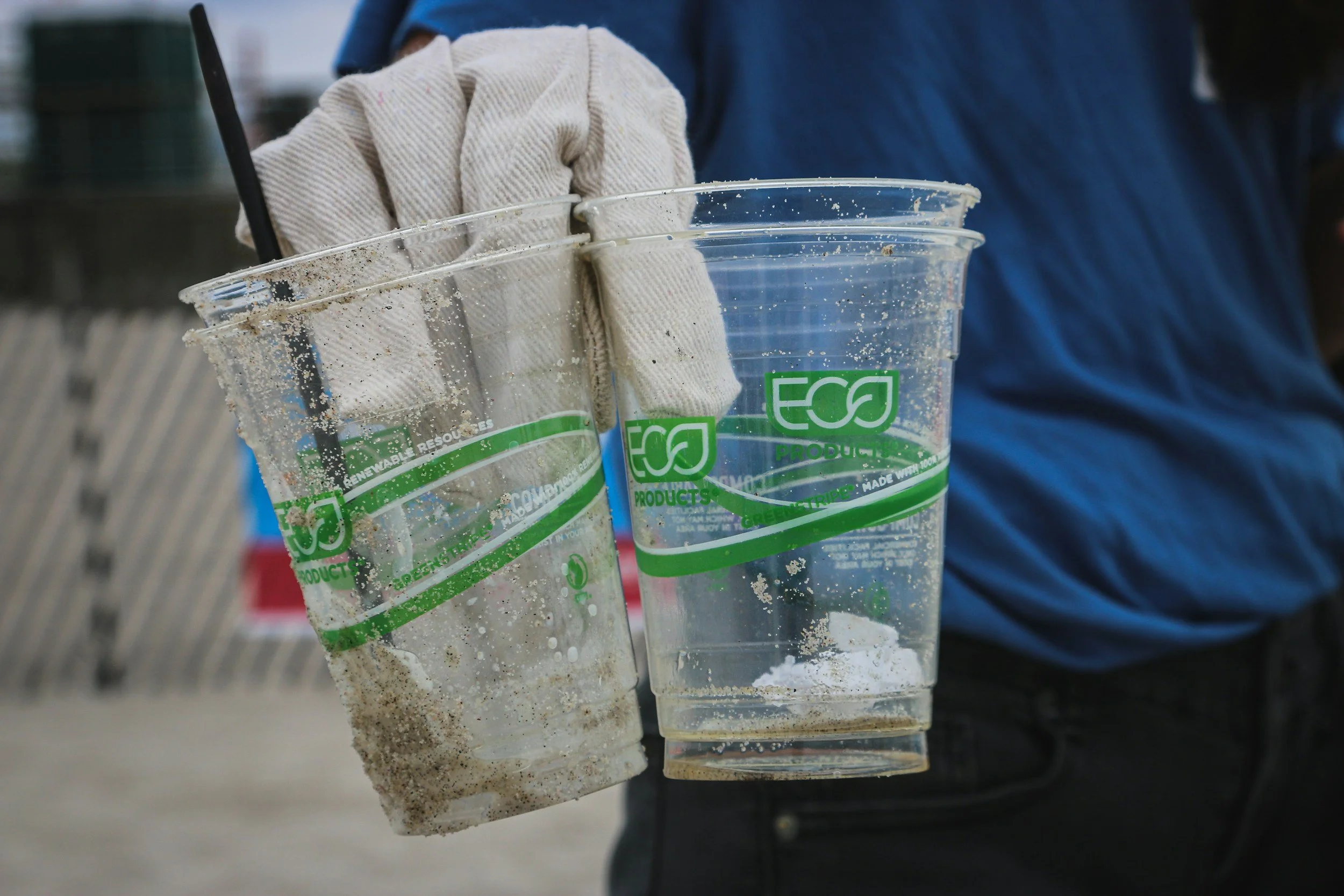
Consumers have continued to consider sustainability more heavily when making purchasing decisions in 2026. People want to spend their hard-earned money on brands and businesses that care about and support environmental protections. Because of this, a lot of companies have begun to focus more on sustainability in their marketing to highlight the work they do to work toward this mission. However, we have seen a lot of companies that are exaggerating or falsifying the work they are actually doing or the environmental impact they are making. This is called greenwashing. It is meant to draw customers in with claims that are not supported by evidence. It can lead to a negative reputation and even legal risks. In this blog, the Lyv Marketing team will walk you through effectively promoting your sustainability efforts without falling into greenwashing.
What is Greenwashing
Greenwashing is done by making untrue or misleading statements about the environmental benefits that your company is providing either through its product/service or other initiatives it is taking. Greenwashing is meant to draw customers and investors into your mission. This can look like false information about the supply chain, a misleading label that calls something “green,” etc. Usually these things appear in:
Marketing
Reports or filings
CSR (corporate social responsibility) actions
PR or press releases
There are a lot of relevant examples of greenwashing that have occurred in the media throughout the years. One of the most prevalent was from BP. The fossil fuel giant changed their name to Beyond Petroleum and started implementing solar panels on the roofs of their gas stations. Then, In December 2019, an environmental group lodged a complaint with them for misleading the public. More than 96% of their annual spending was on oil and gas. This means that they were not dedicated to what they said they were doing and ultimately were exposed for it.
The Harmful Effects of Greenwashing
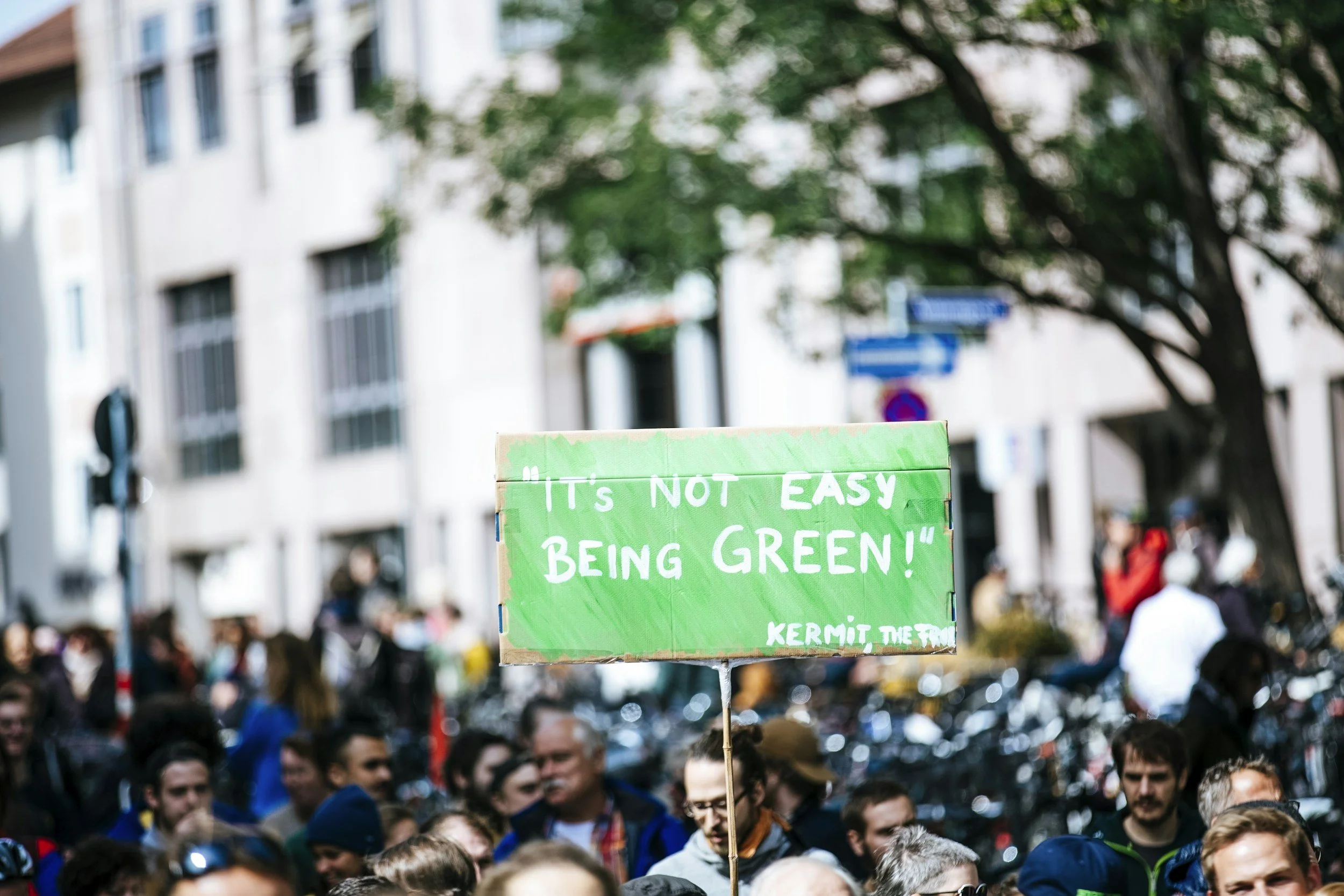
While greenwashing can be good marketing for businesses, incorrect claims can lead to real consequences for these companies. First and foremost, it causes a huge blow to your reputation. If a brand is engaging in greenwashing and is caught, the publicity is negative. On top of that, the customers that have previously supported the brand lose the trust they may have had in the company. This trust can be very difficult to rebuild as well. There can also be serious legal risks to greenwashing. A lot of countries have strict rules and regulations when it comes to making environmental claims. Greenwashing can also lower the spirits of your employees. If they believe they are working for a company with values that align with theirs and then they are blindsided, their productivity may decrease as a result of this betrayal.

What Do These Labels Contain?
“Green” labels contain a lot of buzzwords that usually are not backed by any science or government agency. These can include words like “green,” “eco-friendly,” and “clean.” And then, there is no evidence to back up any of these words or what they mean to the company. A lot of times this occurs when companies take a very small practice that can come off as environmentally conscious, but doesn't make an impact in the long run. For example, fast fashion brands will often do this with labels that state, “manufactured with recycled material,” but the business model and supply chain remains the same, causing damage to the environment. Unfortunately, companies rarely face legal problems with small things like this, so it is up to the consumer to use their discernment and research to figure out what is true and what is misleading.

Avoiding Greenwashing in Your Campaigns
It is important to know all of the rules and regulations that come with sustainability reporting so that you can remain compliant throughout the process. In America, marketers should be able to understand the federal guidelines and how they are enforced. The FTC (federal trade commission) has green guides that companies should follow. They cover things like:
Claims of green, sustainable, or environmentally friendly products
Carb offset claims
Recyclable claims
If you are running a business and want to get more into sustainability for your products or services, it is imperative that you do the necessary research and hold your business to the standards of the law. The law prohibits unfair or deceptive acts or practices. Greenwashing falls under this law.

Takeaway: Greenwashing is Harmful to the Earth and Your Reputation
Having a “green” stamp of approval is a fantastic thing to strive toward as a company, but not at the risk of your reputation and success. Customers seek out these labels now more than ever, making it a hard temptation to resist, but it is better for everyone in the long run if you follow the proper channels and put in the work where you should. If you are passionate about the cause, follow the proper channels and make your company a true poster for environmental consciousness. This way, you are making a real impact and your customers can see that. If you are looking for a marketing agency to help you navigate the advertising for this kind of messaging, the team at Lyv Marketing is ready to help. Contact us today by completing the form on our website at www.lyvmarketing.com.