Improving Your Small Business’s Social Media Presence
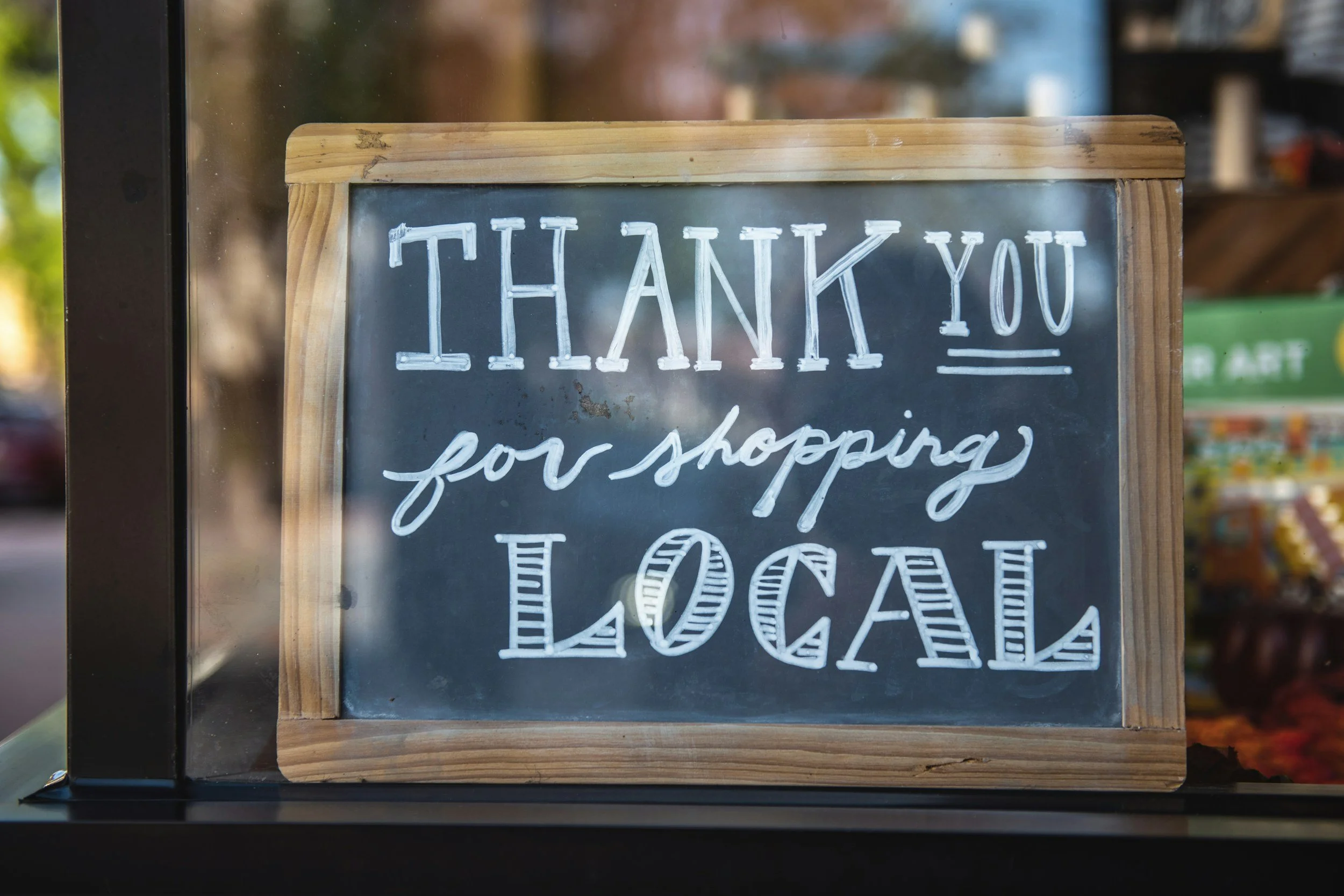
Social media continues to make its way into our lives, and it is here to stay. For small business owners, this means taking advantage of it where you can and cultivating a presence on the right platforms/networks. Even if you are new to social media, there are benefits that will be worth the effort that you put into it. A social media presence can improve your customer service, allow you to have conversations with your established and prospective customers, increase loyalty and trust with your audience, and drive traffic to your website. The team of professionals at Lyv Marketing are here to help you on your journey with social media. In this blog, we will explore the ins and outs of establishing your presence online.
What Networks Are Right for You?
With the rise of Facebook the whole way back in 2012, so many more platforms have surfaced. With so many options, it is important to choose what is right for your business model. Below is some more information about the most popular networks right now. By analyzing this information, you can decide what is best for your goals.
Facebook: Largest platform to date with 2.1 billion monthly users. Good for businesses that want to generate leads and build relationships.
LinkedIn: This one is most often used for networking or for B2B (business to business) to build relationships
TikTok: This platform has exploded since its debut on the scene in 2016. Engages younger audiences and is good for advertising almost any brand.
Instagram: Under the same “Meta” umbrella as Facebook, Instagram is a photo sharing app at its core. Over the years, it has become a popular place for businesses to focus their marketing efforts and even make company pages dedicated to their businesses. I would even venture to say Instagram is the place where this practice originated.
X (formerly Twitter): Popular for news, trending topics, and younger audiences.
Pinterest: Place for sharing photos, less popular for advertising because of the more aesthetic vibe of the platform, but can be a good place for UGC.

What Are Your Goals?
Once you choose your platforms and create your accounts, you must set your goals. With goals to work toward, you’ll be able to take steps to progress. These types of goals can include anything you are striving toward. For example, this can be increasing your engagement, views, or traffic to your website. Once you know what you want to accomplish, it is much easier to devise a plan to get there.

What is Your Strategy?
Creating your goals is only the first step in a long social media journey. Your strategy is the plan that you form in order to reach your goals. This includes figuring out…
Your posting frequency/content calendar
Who your audience is
What your audience is interested in
The type of content you have captured/will capture
What content will be on which platforms
This is where a social media marketing team can come in handy if you’re interested in hiring one. If this is not in your budget, taking some beginner courses can be a good idea, just to acquaint you with the systems and what works best on each of them.

What is Your Plan for Creating the Content?
During this step of the process, it is paramount to keep your audience at the front of your mind. What are they interested in and what do they want to see from you? Once you answer that question, you should be able to build out a shot list (a list of content you wish to capture/create). Some of the most important analytics you should have on your audience are things like age, location, needs, behaviors, etc. You can capture photo or video content, whichever proves to serve your goals. This can take some trial and error, but eventually you will learn what your audience responds to and what they don’t.

Maintaining Your Brand and Measuring Your Progress
Social media requires you to cultivate a presence that will last and align with your brand’s beliefs and values. This is why it is a good idea to only allow select people to create and post content for your accounts. These people should all be on the same page about the ethos of the accounts and the brand voice and image you want to portray for your business.
Each month, it is smart to include a day to collect the metrics that can measure what is working for your accounts. You can measure these to find out what to keep posting and what to change. You can find the necessary metrics on each site separately. Analyze these and take into account your growth throughout your time on these platforms.

Takeaway: Your Small Business Can Thrive on Social Media
Social media can have the potential to transform small businesses. If you are committed to your platforms and share content that your audience is interested in, you can build your trust with them and form relationships. If you want to start marketing on social media but want some guidance or management from a marketing team, Lyv Marketing is here to help! Contact us today through the form on our website or send us an email at hello@lyvmarketing.com.