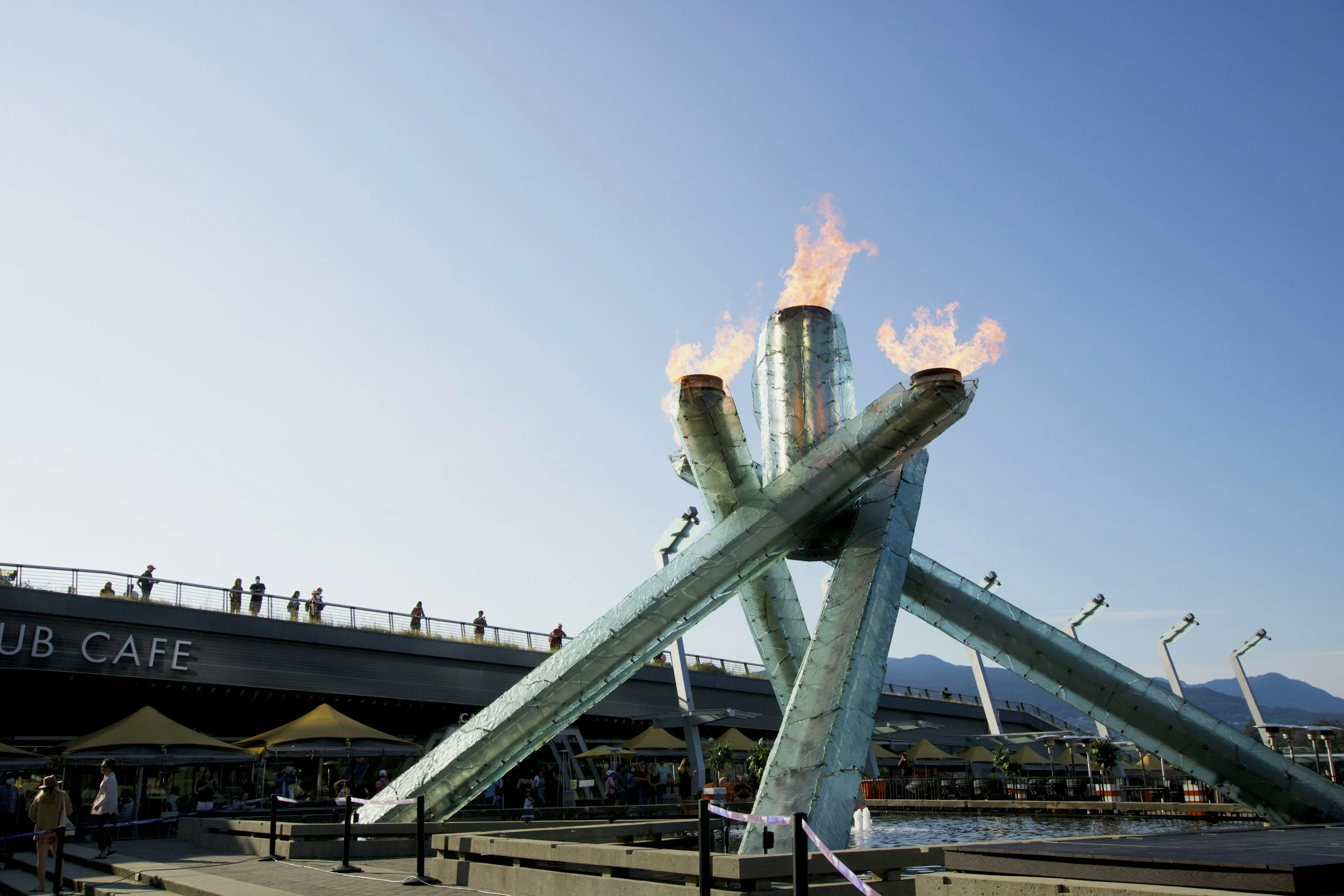
The Milan Cortina Olympics: Keeping The Torch Burning
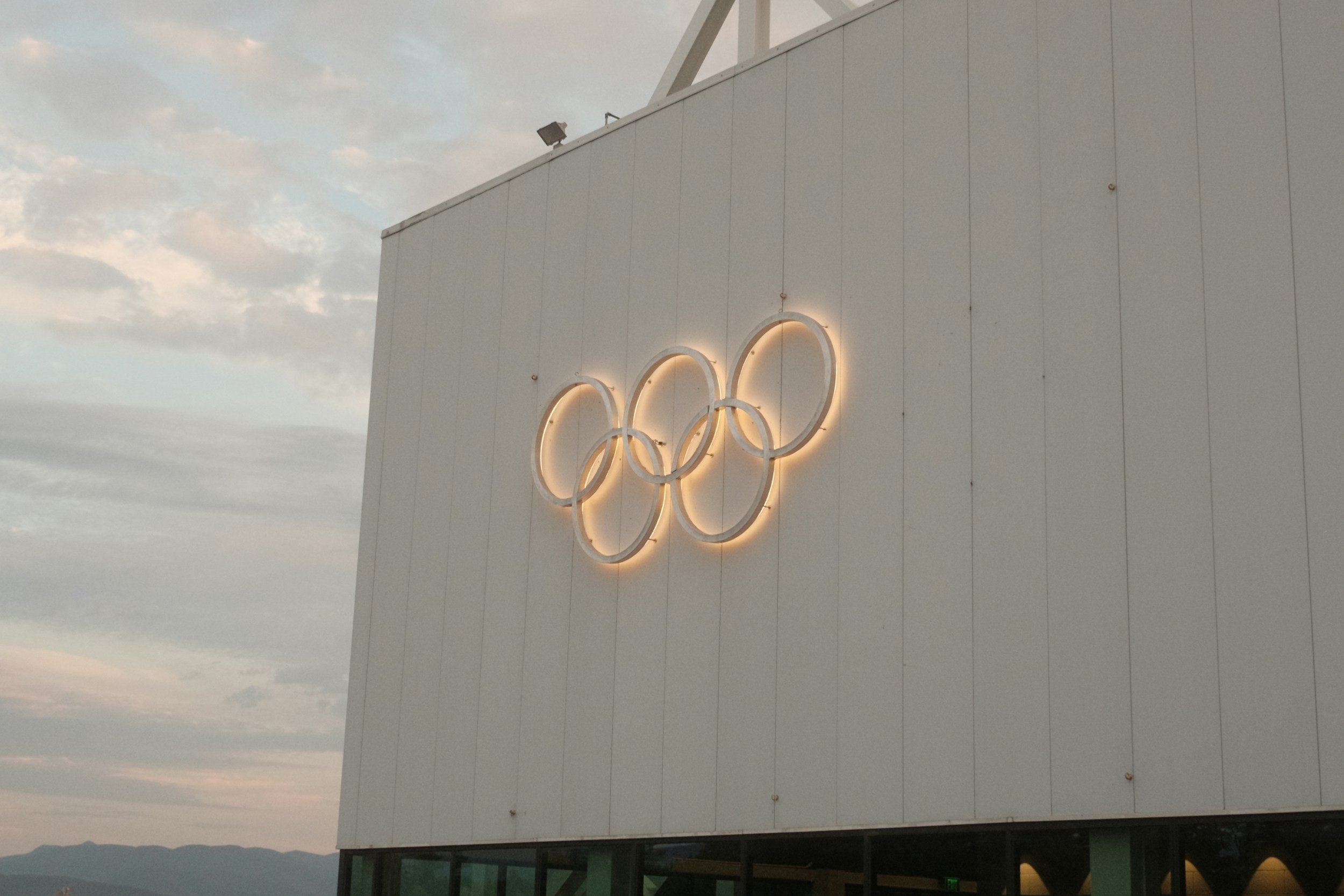
One of the most iconic sporting spectacles, globally, took place at the beginning of the year, the Olympics. The games provide a cultural and exciting time for everyone watching and participating. Every 2 years, there is another Olympic Games, alternating between Summer and Winter each time. This February, they took place in Milan Cortina, Italy and featured thousands of talented athletes showcasing their talents.
The legend that is the Olympics has brought with it brand and marketing efforts each year. No matter what country athletes are competing for, there are always sponsorships at play. To mark this effort, we want to take a look into how marketers and organizers keep the buzz alive during these busy times. If you’ve ever been curious on how these ads and partnerships work, Lyv Marketing is here to get you in the know!
Biggest Partnerships at the 2026 Milan Cortina Olympics
Based on data found following the closing ceremony of the Olympics this year, three brands saw a massive increase in website engagement. At the front of the line is Coca Cola with a 170% increase in online interest among viewers of the Olympics. Behind Coca Cola was Deloitte and TCL. They had website jumps of 122% and 91% respectively. It is clear that sponsorships at this massive athletic event drives real engagement and measurable behavior among consumers. The activity from viewers can turn passive viewers into active engagement with the brand.
How Sponsorship Partners Support the Entire Olympic Movement
This year there were 12 global companies in the Olympic Partner Programme (OOP) that played a role in shaping every aspect of the 2026 Olympics. This group is at the highest level of Olympic sponsorship. It grants exclusive, global marketing rights to the Olympic and Paralympic Games and Olympic teams across the globe to a select group of Worldwide Olympic Partners. In simpler terms, it gives a select group of brands exclusive marketing rights to all of the Olympic Games. Dating back to 1985, the program attracts established brands globally.
The partners provide the infrastructure, funds for preparation, and execution of the games and support athletes from over 200 countries participating. These 12 partners are…
Anheuser-Busch InBev
AirBnB
Alibaba
Allianz
Coca Cola
Deloitte
Omega
Procter & Gamble
TCL
Samsung
Visa
How Do These Brands Support the Games?
The Brand Partners work in close contact with the Organising Committee and the International Olympic Committee (IOC) to contribute a range of essential functions. This means they provide technology and infrastructure, timing, scoring, concessions, and even insurance. They also provide things for the athletes. This includes the Olympic Village, Live Sites, and initiatives across social media and other retail platforms to create an engaging experience for everyone involved in the games.
For example, one of the ads and commercials I saw the most throughout this Olympic season was for AirBnB. A lot of the Olympic athletes this year stayed in AirBnBs with their families. In this way, AirBnB is providing an experience for the athletes while also creating content out of it to advertise their own brand and what service they offer. A lot of the other brands have done similar campaigns and contributed in similar ways. That being said, each partner also contributed monetarily to the event, helping it go off without a hitch each and every day.
Specific Athletes and Their Sponsorships
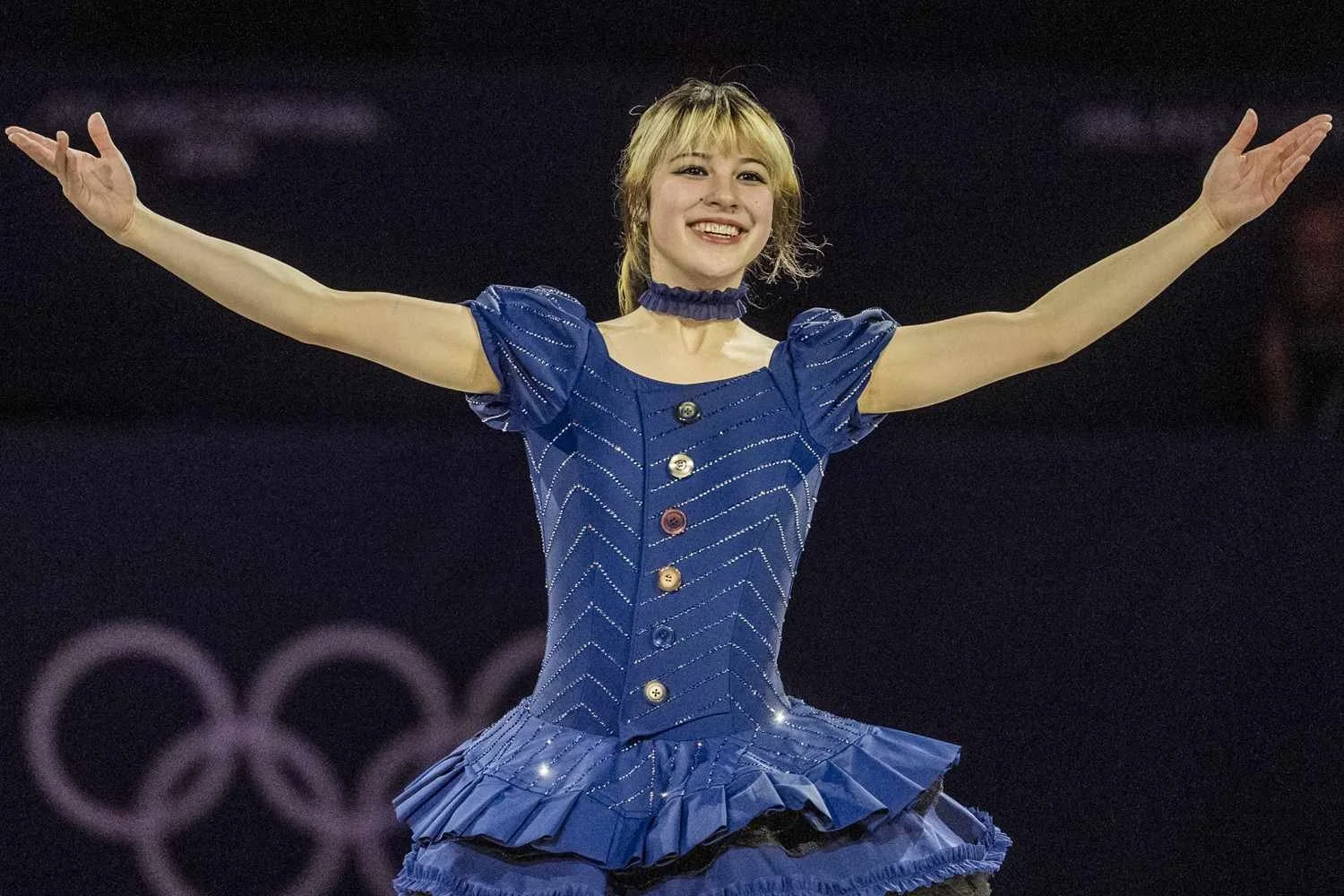
For this example, we are going to use all of the Figure Skating Athletes from the United States that had a huge impact on their audiences this year. These include Alysa Liu, Amber Glenn, Isabeau Levito, and Ilia Malinin. All four of these athletes from the U.S. have made waves online preceding and following their performances at the Olympic Games this year.
I’m sure a countless amount of brands have been reaching out to these young athletes since before the games even began. That said, they have the autonomy to choose who they want to represent. Below are the endorsements we have seen from them so far:
Alysa: Venus, Jackson Ultima Skates
Amber: NBC Sports, Bloom Nutrition, Delta Airlines, Acura
Isabeau: Red Bull, Venus, Edea Skates
Ilia Malinin: Coca Cola, Samsung, Google, Xfinity, Dick’s Sporting Goods, Honda
All of these athletes have something special that they bring to the table. Because of this, they are valuable to brands for many different reasons. They are at the top of their sports and because of it have a lot of eyes on them. This is always something that brands and marketing managers are looking for.
Takeaway: Follow the Torch Into the Digital Age
The IOC’s people-focused approach to its marketing strategy is working to keep the fun of the Olympics alive. By focusing on the fans and drawing them into what goes on behind-the-scenes at the games, it grows the viewership for every cycle. People can relate to the Olympians and they follow them on their personal accounts. Gen Z is used to connecting with people online and brands are taking advantage of it. This mindset has the power to tackle social issues in sports, spurring us toward a more inclusive world.
At Lyv Marketing, we work hard to ensure all of our clients succeed. Contact us today to schedule your FREE consultation.